



Keeping science connected
Working with entities such as NOAA, WHOI and MBARI, Linden cables have become an integral part of learning about our oceans. Our cables have been in the deepest parts of the ocean and under the ice shelves in Antarctica.
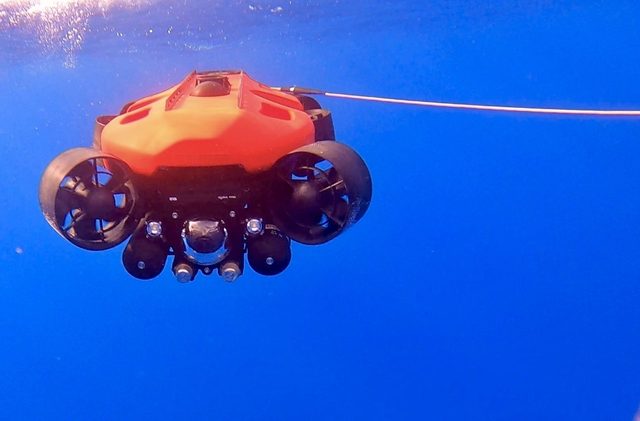
In these environments critical data links require robust, rugged cables that are guaranteed to keep you connected. Georgia Tech’s Icefin vehicle searched for life beneath Antarctic ice on a Linden STFOC tether, and the expedition that found Shackleton’s Endurance used a Linden fiber optic cable. Linden cables get you where you need to be.
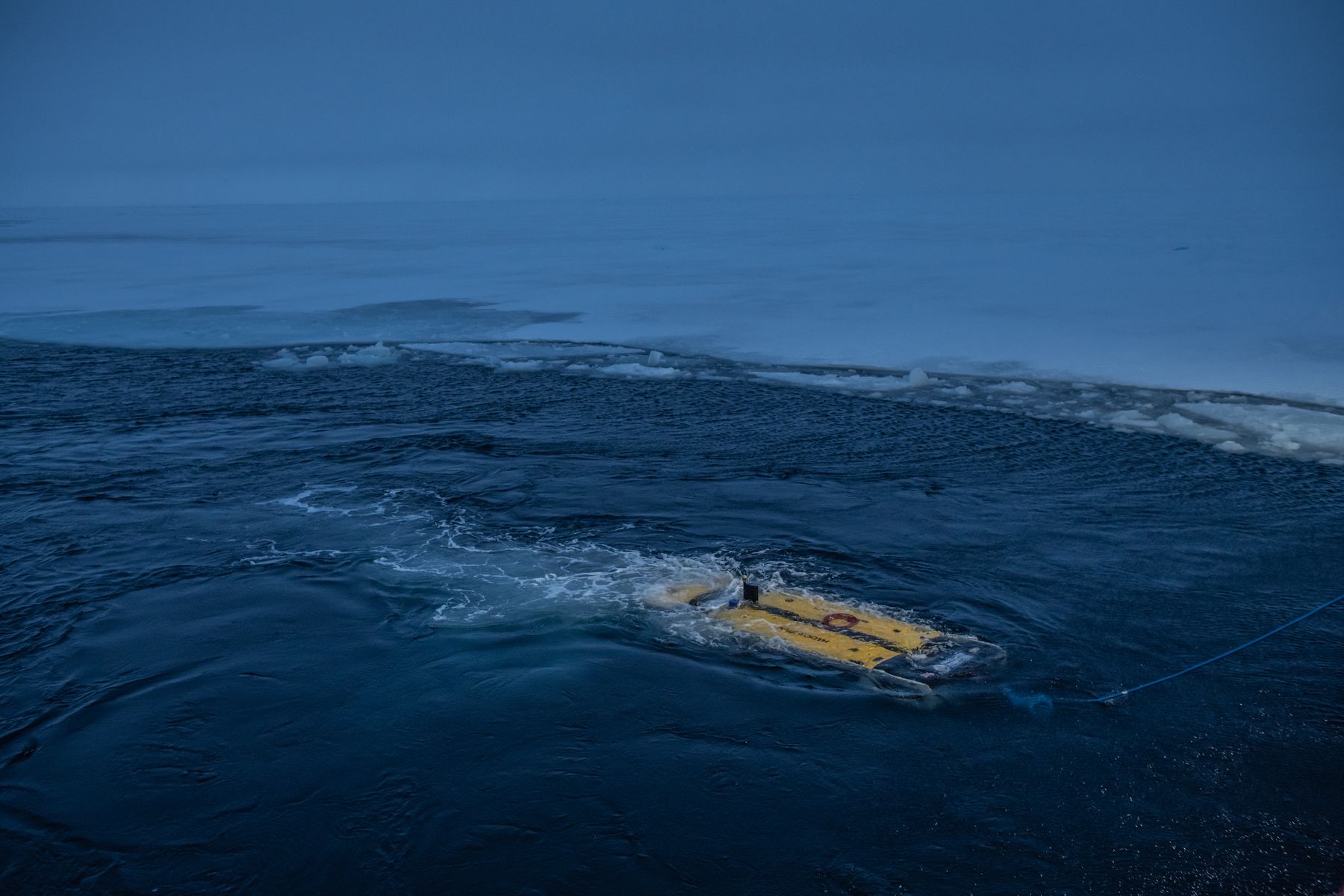 Photo © Esther Horvath / Falklands Maritime Heritage Trust
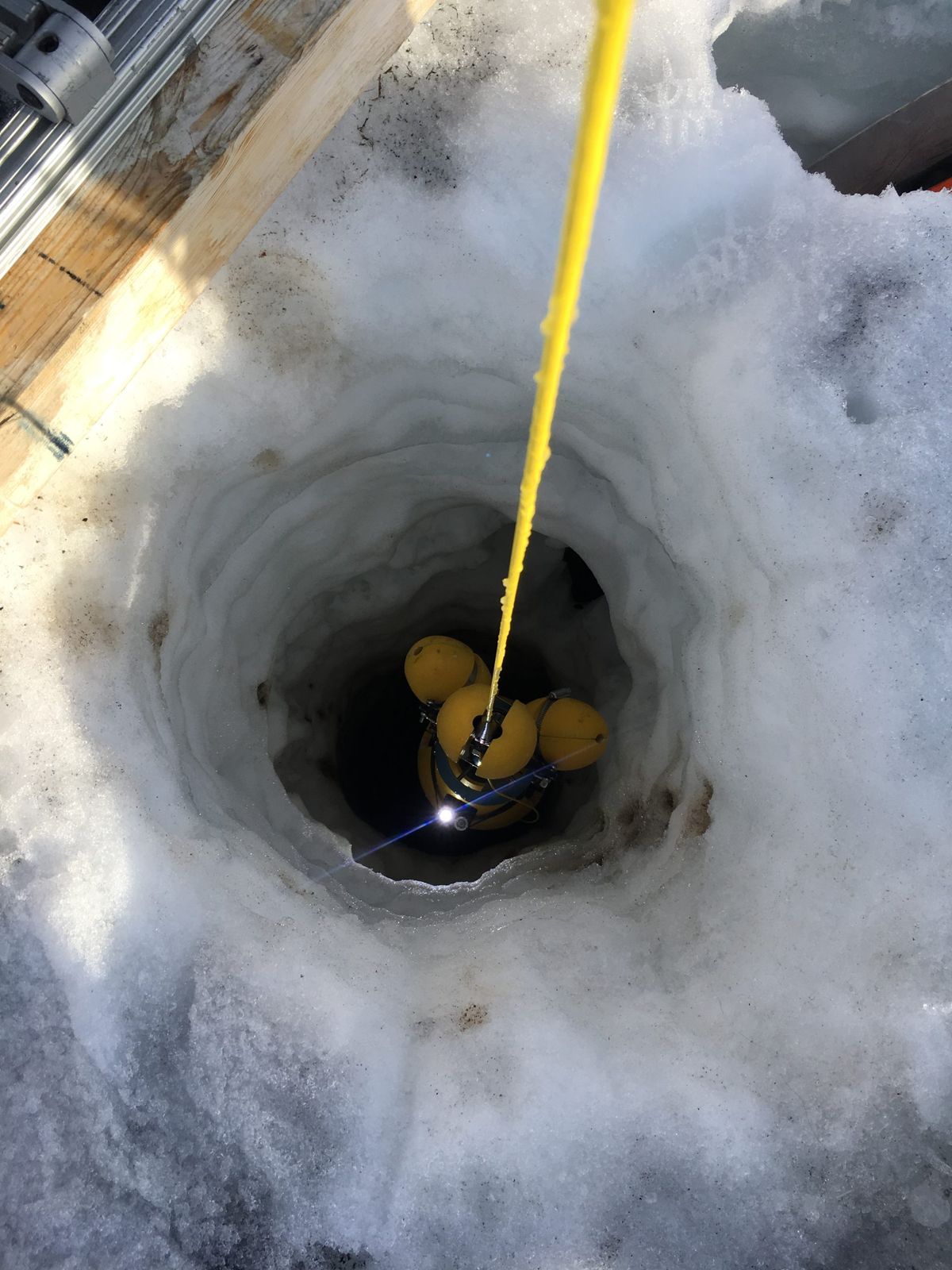 Under-ice deployment through a borehole
Recommended for marine research
Cables engineers specify here
A starting point — most projects end up with a configured or custom variant.
Buoyant cable
From the thinnest 290 μm cable to 13 mm+ designs with multi-ton break strength, with precise density control for positive, neutral or negative buoyancy.
High strength cable
Non-buoyant cables with over 2,500 lbs breaking strength, a rugged exterior and continuous lengths over 5 km.
Hybrid cables
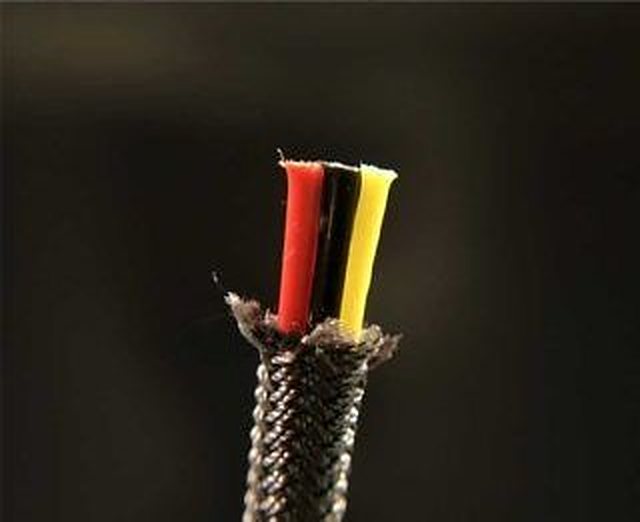
Copper and fiber integrated in a lightweight design: buoyant options, thin-wall insulation, Vectran strength members and 300 V, 600 V and 1,000 V ratings.
Other markets
Where else Linden cables work


Have an application in mind?
Tell us what the cable has to do — the environment, the load, the length — and our engineers will recommend a catalog cable or design one for you. Short runs from 300 m.